Lake Manyara National Park

Travel Guide, Map & More!

Lake Manyara National Park is worth visiting, even if it might not always receive the same level of attention and praise as other safari destinations like the Serengeti National Park and the Ngorongoro Crater.

Lake Manyara National Park is situated on the border of the Rift Valley, behind the cliffs of the Manyara Escarpment. It features a variety of habitats, amazing bird life, and stunning vistas.

Lake Manyara National Park, which is situated on the route to the Serengeti and Ngorongoro Crater, is worth seeing on its own. In a tiny region, its groundwater forests, bush plains, baobab-strewn cliffs, and algae-streaked hot springs provide amazing biological variability, abundant in animals, and home to an astounding number of birds.

Lake Manyara is a picturesque treasure that stretches 50 km at the base of the 600-meter-tall, rusty-gold Rift Valley escarpment. Ernest Hemingway praised the area as “the loveliest I had seen in Africa.”

A miniature version of the Tanzanian safari experience may be found on the game-viewing circuit that winds through Manyara.

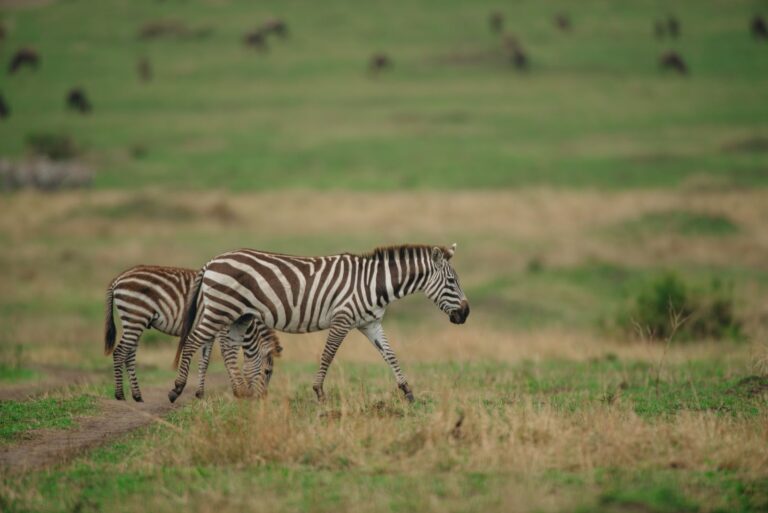
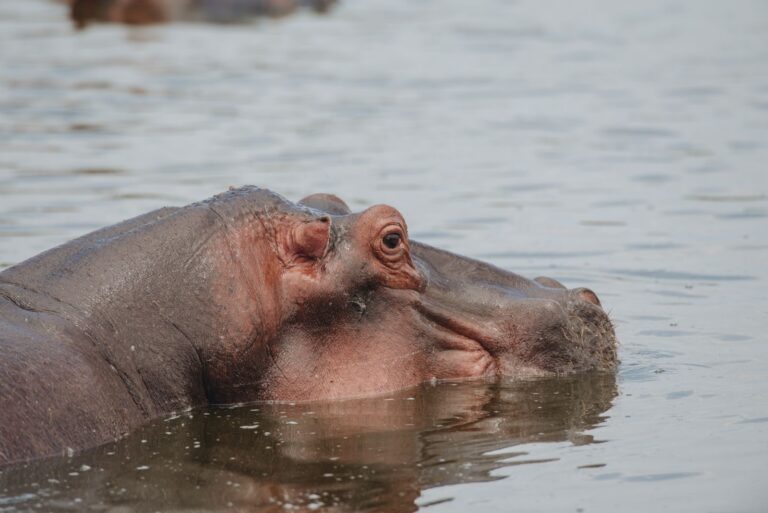
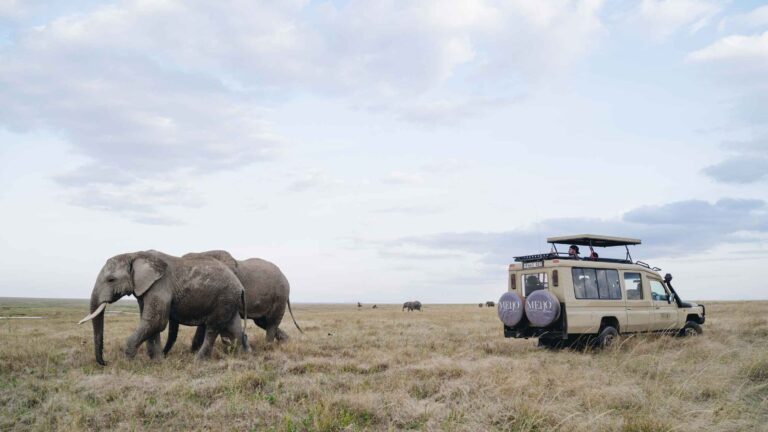
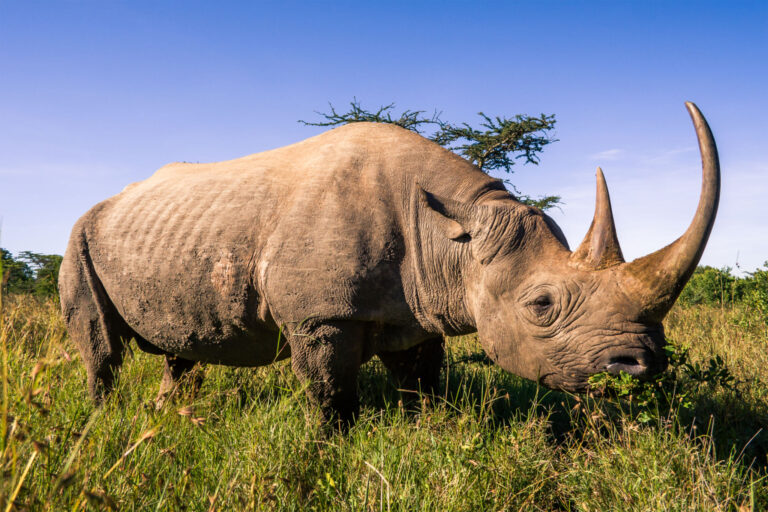
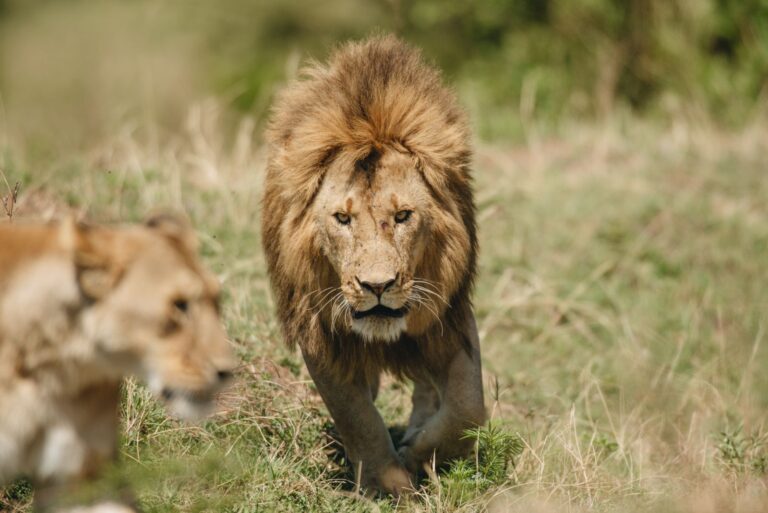
The jewel is well-known for its tree-climbing lions, which is one of the primary draws for tourists. Along with the lions, the national park is home to the greatest number of baboons in the world, which makes for fascinating game watching of the monkeys’ big families. Here, you may also witness lions, elephants, hippos, buffalo, wildebeest, zebras, olive baboons, blue monkeys, and klipspringers.

Lake Manyara’s alkaline soda draws a remarkable variety of birds that flourish in its brackish waters. There are almost 400 species known to exist. Highlights include huge aquatic birds like pelicans, cormorants, and storks, as well as hundreds of pink-hued flamingos on their annual migration.


Tourist Attractions

Tree-Climbing Lions: One of the few locations on Earth where lions regularly scale trees is Lake Manyara. The activity of these tree-climbing lions is believed to be related to their desire for shade or their avoidance of tsetse flies on the ground, making them a distinctive attraction.

Birdwatching: Lake Manyara is a birdwatcher’s delight, home to over 400 kinds of birds. Large flocks of flamingos, pelicans, hornbills, and the endangered African grey parrot are among the park’s most well-known features. Birds may find a variety of habitats thanks to the lake, marshes, and woodlands.

Wildlife: Elephants, giraffes, buffaloes, zebras, and wildebeest are among the many species that call the park home. Primates like baboons and the uncommon blue monkeys may be seen in abundance in the lush woods and woodlands. Although they exist, lions are not as frequently sighted here as they are in other parks, such as the Serengeti.

Best Time to visit Manyara National Park

Although the park is open all year round, it is most populated from July to October, which makes for excellent chances to see wildlife and birds. Millions of people visit Lake Manyara because of its breathtaking landscape.

However, the park is at its most beautiful from November to May. Because of the thick flora and the rainy season, the beauty is enhanced by tumbling waterfalls. Because certain migrating birds visit the area around this season, bird watching is also at its peak.

Explore More Destinations

Picture of DAUDI MOLLEL

DAUDI MOLLEL

Safari Specialist

Experienced Safari Experts

You will have the opportunity to plan your journey with knowledgeable Safari Specialist who will guide you every step of the way. Embrace a life where you can dedicate more time to living the experience, rather than getting caught up in researching, worrying, and comparing.

Do you have any experience in mind? Let's personalize together