
Climbing Kilimanjaro is the experience of a lifetime, with Africa’s highest mountain rising 19,340 ft (5,895 m), the highest free-standing mountain in the country. It is also one of the seven summits, the seventh highest point on any continent in the world. If you are physically fit, you can ascend Mount Kilimanjaro to summit the Peak. Our Mount Kilimanjaro climbing tours are planned at the strongly recommended lead of high-altitude performance. We created special climbing techniques carefully crafted to optimize personal protection and summit opportunities for climbers on the highest mountain in Africa and the largest non-mass mountain in the world. From the shortest 5 days of the Marangu route and 7 days of the Machame route to the longest 8 days of the Lemosho route, the experience of a passionate team is well established and has resulted in a high success rate of 95 percent.
Where Is Mount Kilimanjaro Located?
Mount Kilimanjaro is located in northern Tanzania, close to the town of Moshi and not far from the Tanzania–Kenya border. The mountain rises inside Kilimanjaro National Park and can be reached conveniently from Kilimanjaro International Airport.At 5,895 metres above sea level, Kilimanjaro is the highest mountain in Africa and one of the most recognisable natural landmarks on the continent. It is also the highest free-standing mountain in the world, meaning it is not part of a larger mountain range.Most Kilimanjaro climbing trips begin with an overnight stay in Moshi or Arusha. From there, climbers are transferred to the entrance gate of their chosen route, where registration and final preparations take place before the trek begins.Because of its location in Tanzania, a Kilimanjaro climb can easily be combined with a wildlife safari to the Serengeti, Ngorongoro Crater, Tarangire National Park, or a relaxing beach holiday in Zanzibar.
What Is the Best Time to Climb Kilimanjaro?
Mount Kilimanjaro can be climbed throughout the year, but some months normally offer more comfortable weather and better visibility.
The most popular climbing periods are from January to early March and from June to October - These months are generally drier, which means the trails are usually easier to walk, the skies are often clearer, and climbers have a better chance of enjoying wide mountain views.
January and February can be slightly warmer, while June to August can feel colder, especially at night and at higher elevations. September and October often provide stable conditions, although the mountain may be busier during the main travel season.
The long rainy season normally falls between March and May, while shorter rains may occur in November. Kilimanjaro can still be climbed during these periods, but climbers should expect wetter trails, cloudier conditions, and fewer people on the mountain.
Weather on Kilimanjaro can change quickly at any time of year. Even during the dry season, rain, wind, mist, or snow may occur. Choosing the right clothing and equipment is therefore just as important as choosing the climbing month.
How Long Does It Take to Climb Kilimanjaro?
Most Kilimanjaro climbing itineraries take between five and nine days, depending on the route and the amount of time allowed for acclimatisation.Shorter itineraries may appear attractive, but they give the body less time to adjust to the increasing altitude. A longer climb usually offers a more comfortable pace and a better chance of reaching the summit safely.
How Hard Is It to Climb Mount Kilimanjaro?
Climbing Mount Kilimanjaro is physically and mentally demanding, but it does not require technical mountaineering skills on the standard routes.
The greatest challenge is not climbing with ropes or special equipment. It is walking for several days at high altitude while dealing with cold temperatures, tiredness, changing weather, and reduced oxygen levels.
Most days involve several hours of steady hiking over forest paths, rocky trails, volcanic ground, and steep sections. The summit attempt is usually the hardest part because it begins late at night and continues for many hours in cold, dark, and windy conditions.
People with good preparation, realistic expectations, a suitable route, and enough acclimatisation time have a much better chance of reaching the summit.Kilimanjaro should not be underestimated, but it should not be feared either.
Climbers who walk slowly, listen to their guides, drink enough water, eat properly, and remain patient often perform better than those who try to move too quickly.
What Accommodation and Meals Are Provided on the Hike?
Accommodation on Kilimanjaro depends on the selected route.
On most routes, climbers sleep in mountain tents provided and prepared by the support crew. These tents are designed for high-altitude conditions and are set up at each campsite before the climbers arrive.
On the Marangu Route, accommodation is provided in shared mountain huts instead of tents. The huts contain basic sleeping spaces, but climbers still need warm sleeping bags.
Meals are prepared by a mountain cook and usually include breakfast, lunch, dinner, and snacks. The food is designed to provide energy for long days of hiking. Meals may include porridge, eggs, bread, rice, pasta, potatoes, soup, vegetables, meat, fruit, and hot drinks.Food on the mountain is generally simple but filling.
At higher altitudes, some climbers may lose their appetite, so the crew will encourage them to eat even when they do not feel very hungry.
Travellers should inform Meijo Safaris in advance about allergies, vegetarian preferences, religious dietary requirements, or other food restrictions.
What Level of Fitness Is Required to Climb Kilimanjaro?
You do not need to be a professional athlete, but you should have good general fitness, healthy joints, and the ability to walk for several hours on consecutive days.
Kilimanjaro is an endurance challenge. The body must continue working even when tired, cold, or affected by altitude, a useful fitness goal is to become comfortable with long walks, uphill sections, and back-to-back training days. Hiking with a light daypack is especially helpful.
Strength exercises for the legs, back, and core can improve stability and reduce fatigue. Cardiovascular training also helps the body work efficiently during long days of trekking.
Fitness alone does not guarantee summit success because altitude affects every person differently. A strong climber may still experience altitude sickness, while a moderately fit climber may acclimatise well.The best combination is good fitness, a longer itinerary, slow pacing, proper rest, and a positive attitude.
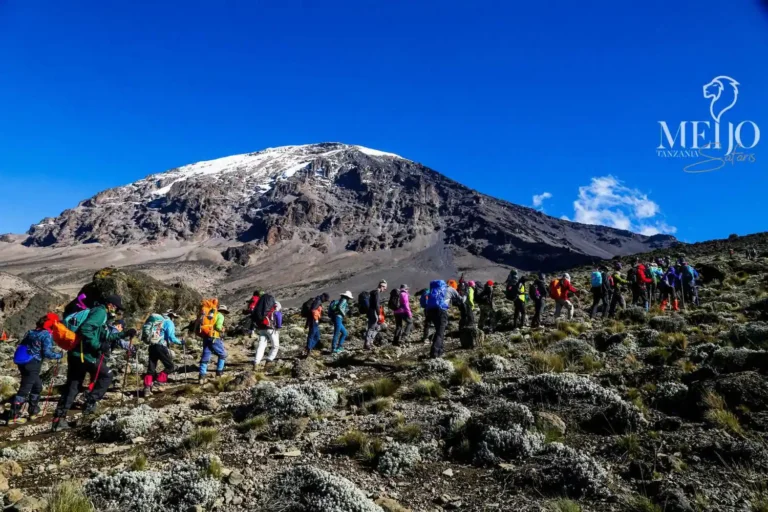
7 Days Machame Route Kilimanjaro Climbing
Uhuru peak stands at 5895m (19,340ft), and its name is the Swahili word for freedom. There are seven routes up Mount Kilimanjaro, which range in difficulty. Roughly half of the climbers choose the Machame Route because it offers stunning views.
Cost from $1900 per person
Mount Kilimanjaro
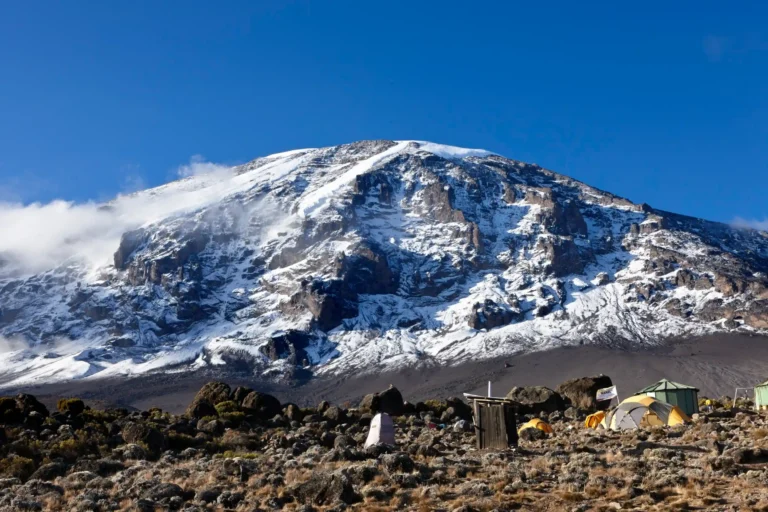
6 Days Machame Route Kilimanjaro Climbing
This route overview is known as the “whiskey route”. Truly Machame Route is the most popular route and has a very high success rate of making it to the top. It offers beautiful and natural features of the landscape.
Cost from $1750 per person
Mount Kilimanjaro
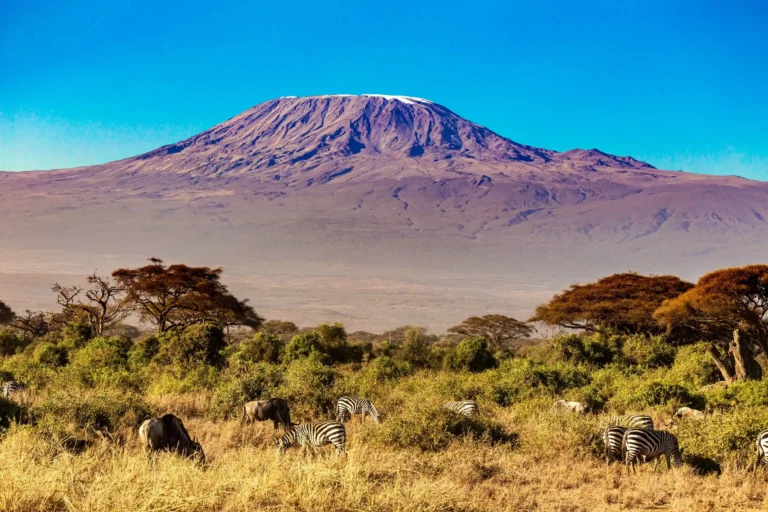
8 Days Lemosho Route Kilimanjaro Climbing
The Lemosho Route is a lovely and unspoiled route, with an armed ranger on the first day of the walk. The forests near the Lemosho Glades are home to buffalo, elephants, and other species. It’s possible that you’ll see them along the way.
Cost from $2150 per person
Mount Kilimanjaro
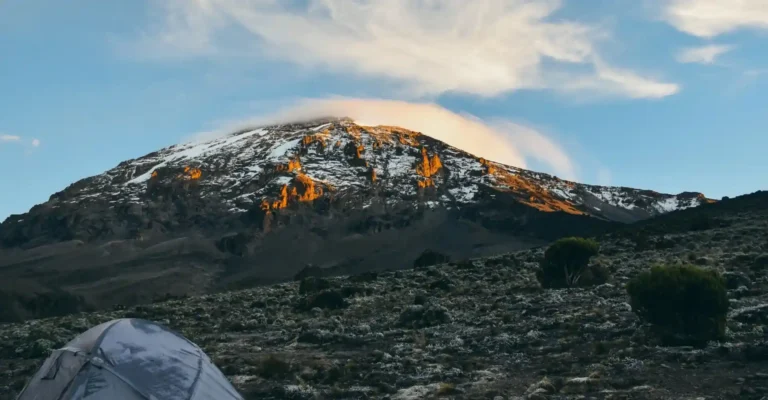
7 Days Lemosho Route Kilimanjaro Climbing
The Lemosho route is considered the most scenic trail on Kilimanjaro, granting panoramic vistas on various sides of the mountain. As one of the newer routes, Lemosho is a superb choice for your climb. It is our preferred route due to its ideal balance of low crowds, beautiful scenery and a high summit success rate.
Cost from $1900 per person
Mount Kilimanjaro
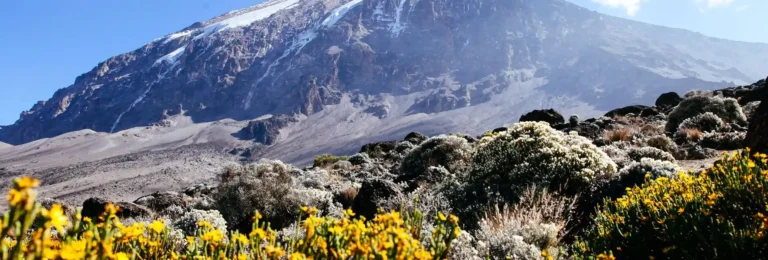
5 Days Marangu Route Kilimanjaro Climbing
Climb Kilimanjaro Marangu Route in 5 days. Pass Mandara, Horombo, and Kibo Huts while reaching Uhuru Peak through stunning terrains.
Cost from $1550 per person
Mount Kilimanjaro
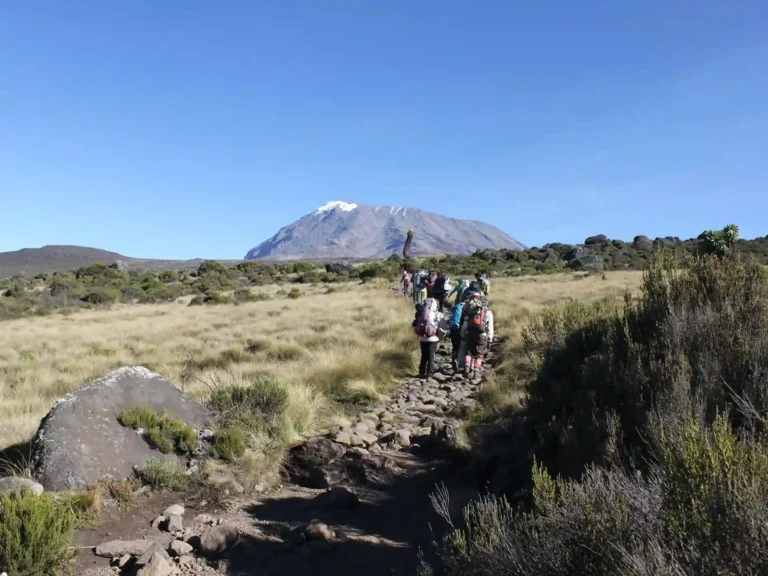
6 Days Marangu Route Kilimanjaro Climbing
Marangu Route, commonly known as the Coca Cola route is more popular because it can be done in fewer days and has permanent sleep huts at the campsites.
Cost from $1900 per person
Mount Kilimanjaro





Need help planning? Our team is here for you
Share your travel ideas with us, and we’ll design a custom safari itinerary tailored just for you within 4 hours.